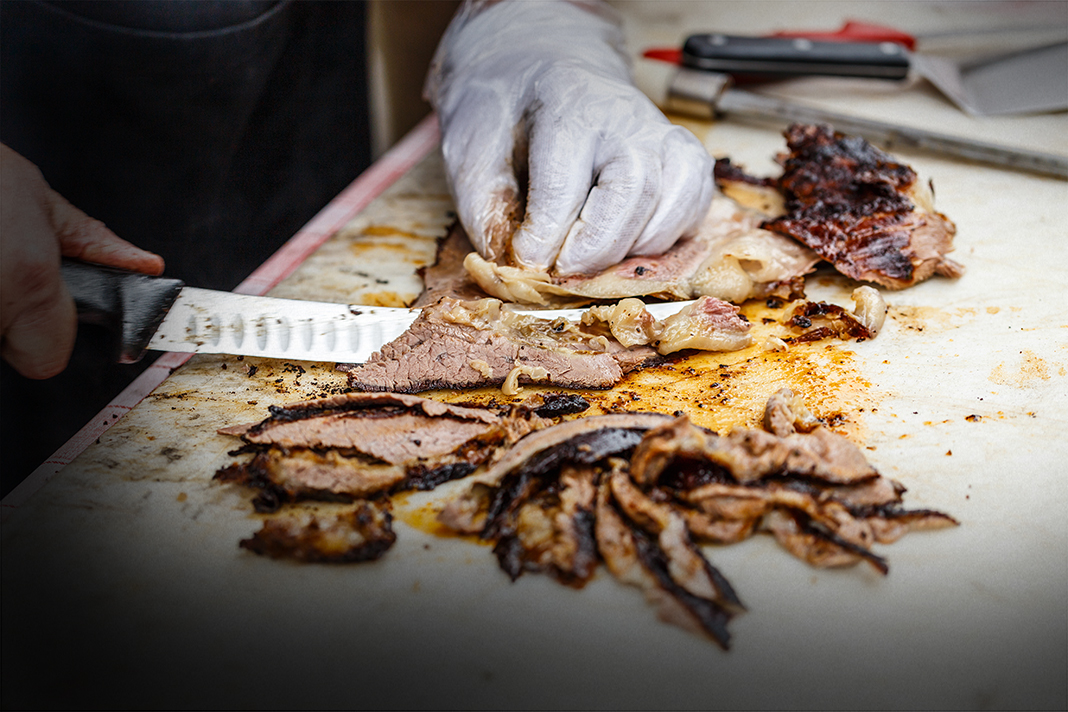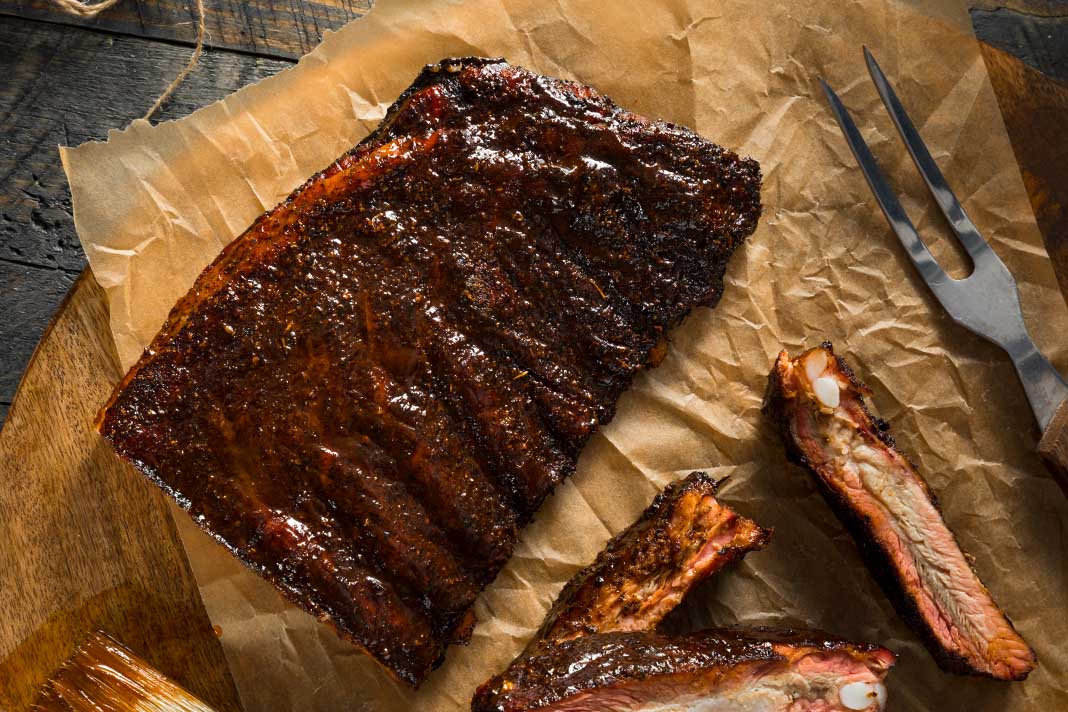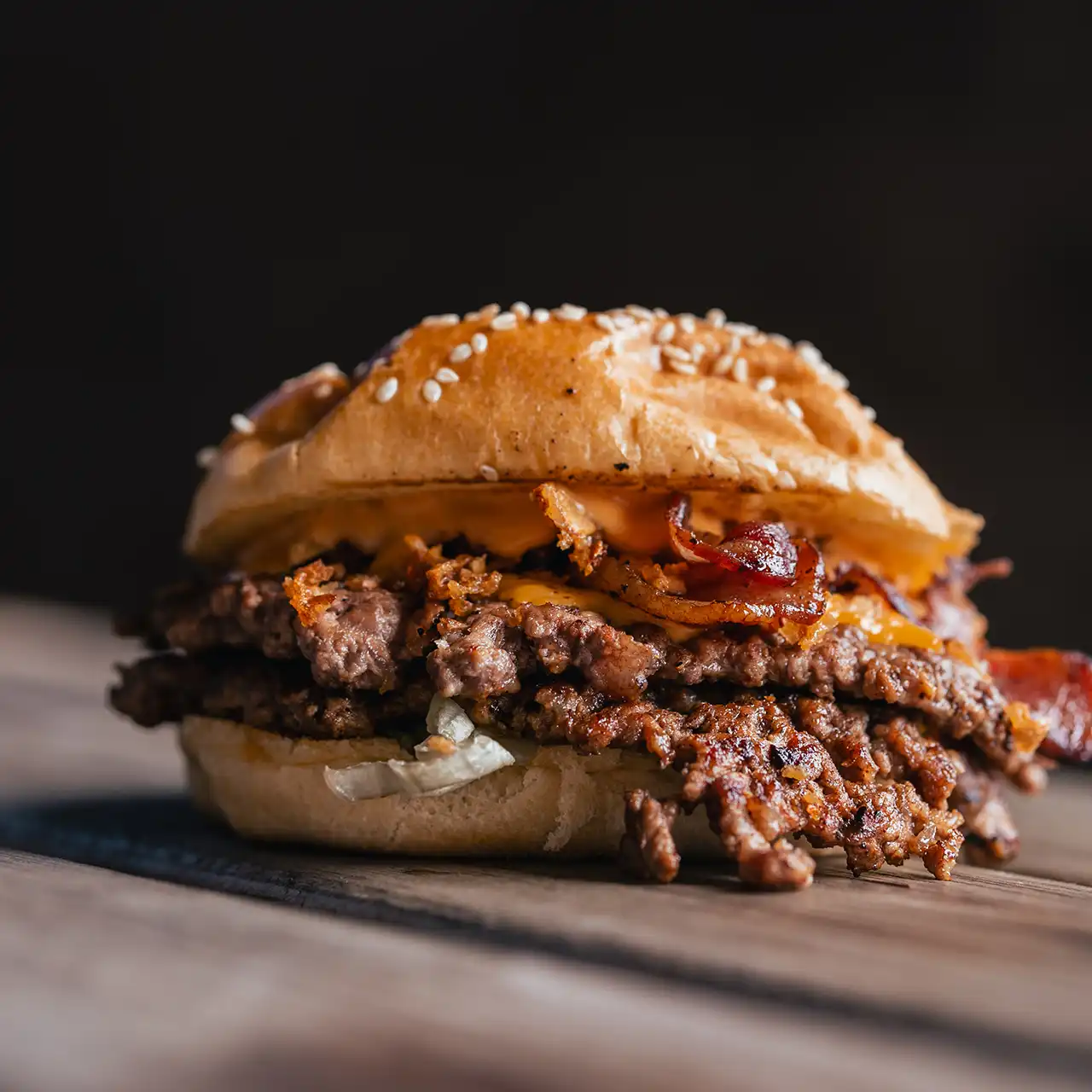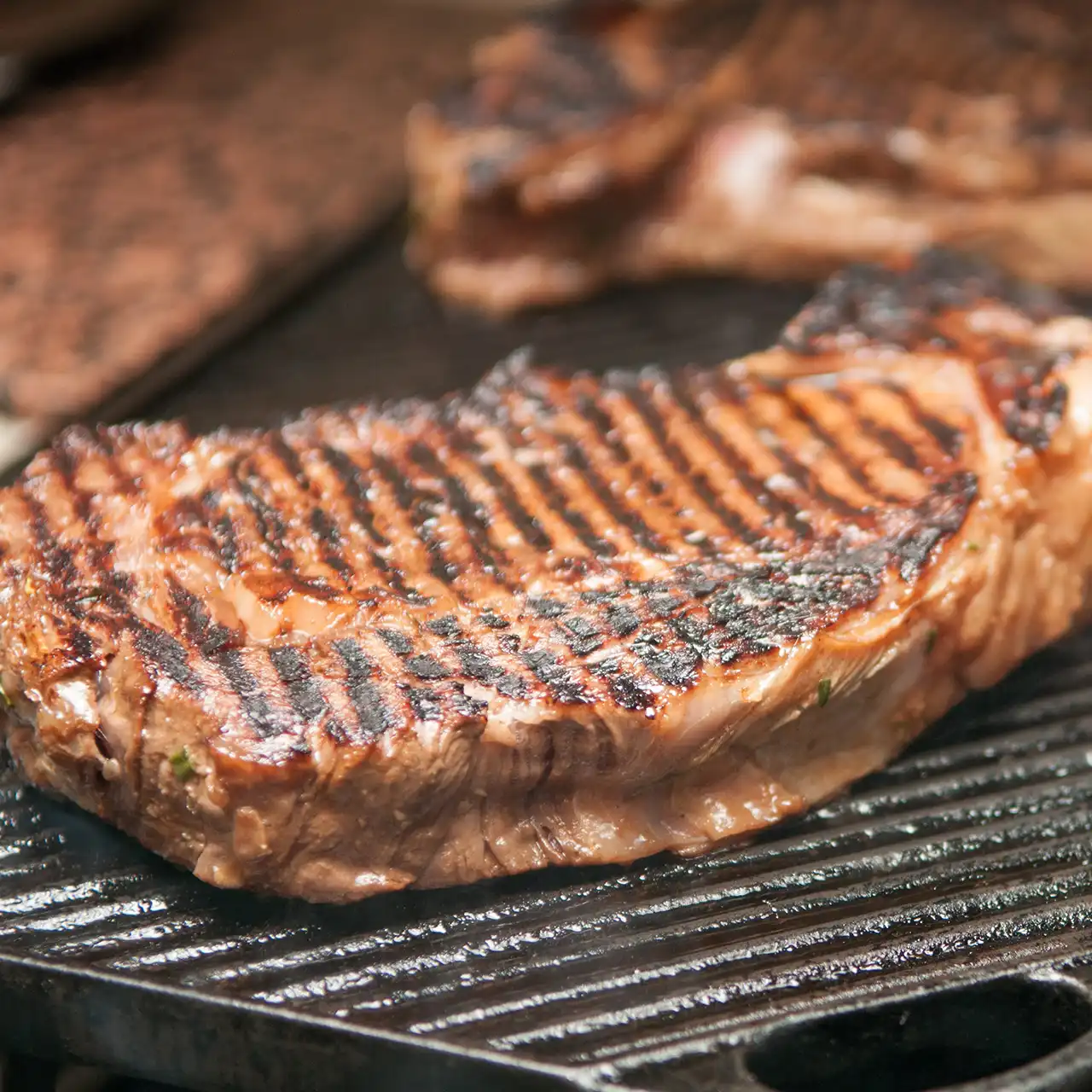
If you’ve ever salivated over the deep brown crust of a seared steak or the crispy, “lacey” edges of a smashburger, you’ve been a fan of the Maillard reaction. Often confused with simple caramelization, the Maillard reaction is actually a complex chemical symphony that transforms raw proteins into a powerhouse of aroma and flavor.
Understanding this process is the difference between simply “heating food” and creating a culinary masterpiece.
What Exactly is the Maillard Reaction?
The Maillard reaction is a chemical reaction between amino acids (the building blocks of proteins) and reducing sugars when exposed to heat. Unlike caramelization—which is the browning of sugar occurring at higher temperatures (usually above 320°F)—the Maillard reaction kicks into high gear between 280°F and 330°F.
During this process, hundreds of different flavor compounds are created. These compounds then break down into even more new flavor molecules, which is why a properly seared burger tastes vastly more complex and “meaty” than a boiled or steamed one.
The Griddle vs. The Grill: Two Paths to Flavor
While both methods utilize high heat, they interact with the Maillard reaction in distinct ways, producing different textural results.
1. The Flat-Top Griddle: Maximum Surface Contact
In the world of smashburgers, the griddle is king. Because a griddle is a solid surface, it allows for 100% surface contact between the meat and the heat source.
- The Smash Factor: When you press a burger ball into a flat top, you are increasing the surface area. More surface area means more amino acids and sugars are reacting simultaneously across the entire face of the patty.
- Edge-to-Edge Crust: The griddle creates a solid “bark.” This results in a consistent textural contrast—crunchy on the outside, juicy on the inside.
2. The Grill: Radiant Heat and Char
Grilling relies on a combination of conductive heat (where the meat touches the grates) and radiant heat (heat rising from the coals or burners).
- The Sear Marks: On a grill, the Maillard reaction is concentrated primarily where the metal grates touch the meat, creating those iconic cross-hatch marks.
- The Flavor Boost: While you have less Maillard surface area than a griddle, grills add “smoky” depth. When fat drips onto hot coals, it vaporizes and coats the meat in aromatic compounds that complement the sear.
4 Tips to Maximize the Maillard Reaction
To get that perfect deep-brown finish without overcooking the center of your food, follow these professional rules:
- Dry the Surface: Moisture is the enemy. Water boils at 212°F, but the reaction needs at least 280°F. If your meat is wet, the heat will go toward evaporating water (steaming) rather than browning. Always pat your meat dry with paper towels.
- Don’t Crowd the Pan: Adding too much meat at once causes the temperature to drop significantly. This leads to the meat “stewing” in its own juices rather than frying in its fat.
- Salt at the Right Time: For steaks, salt at least 45 minutes early (to let moisture re-absorb) or immediately before hitting the heat. For smashburgers, salt after the smash to keep the internal texture loose and tender.
- Temperature Control: If your surface is too cold, the reaction won’t start. If it’s too hot (above 400°F), you move past Maillard and into carbonization (burning), which creates bitter flavors.
The Maillard reaction is the “holy grail” of outdoor cooking. Whether you are smashing a patty onto a cast-iron flat top or searing a ribeye over charcoal, you are essentially a chemist managing the interaction of heat, protein, and sugar.
Would you like me to create a quick-reference table comparing the ideal searing temperatures for different proteins?