Imagine this: The mouthwatering aroma of slow-cooked meat wafts through the air. You take a bite, and it’s so tender it practically melts in your mouth, infused with a rich, smoky flavor. That’s the magic of a well-executed BBQ smoke. But behind this deliciousness lies a fascinating interplay of science, temperature, and smoke.
This article dives into the science of smoking and explores the differences between conventional and pellet smokers, helping you understand how to achieve barbecue bliss.
The Magic of Smoke and Heat
At its core, smoking is a form of low-and-slow cooking that uses wood smoke to add flavor and preserve food. Let’s break down the science:
1. The Maillard Reaction
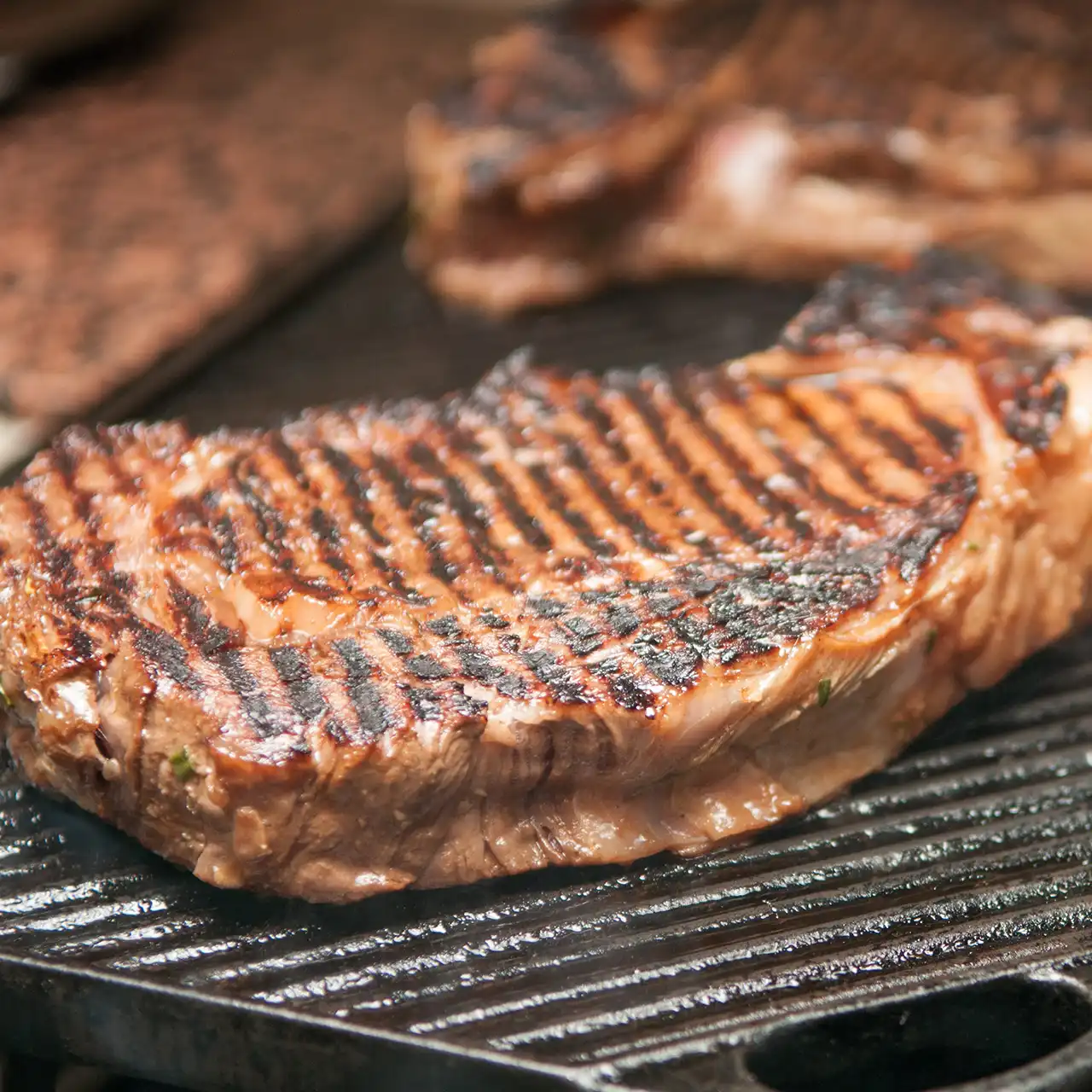
This is the key process that creates the delicious browned crust (the “bark”) on your smoked meat. It’s a chemical reaction between amino acids and reducing sugars that happens around 300°F (149°C) and above. While smokers typically operate below this range, the reaction still occurs on the surface over several hours, developing complex flavor compounds.
2. Smoke Rings
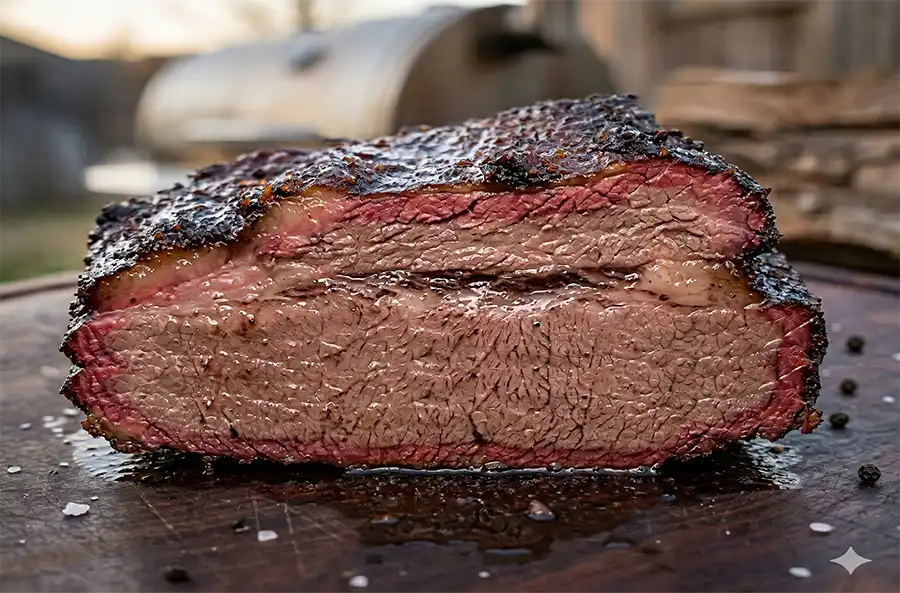
That desirable pink ring just beneath the surface of smoked meat isn’t just for looks. It’s a chemical interaction between nitrogen dioxide ($NO_2$) in wood smoke and myoglobin (the protein that makes meat red). This reaction creates a stable pink pigment that doesn’t brown upon cooking.
3. Smoke Particles
Wood smoke is a complex mix of over 1,000 compounds, including phenols, syringol, and guaiacol. These molecules are absorbed by the meat’s surface, particularly the moist exterior. The type of wood you choose (hickory, apple, mesquite, etc.) influences the specific flavor profile due to the unique compounds each wood produces.
Conventional Smokers: The Traditional Route
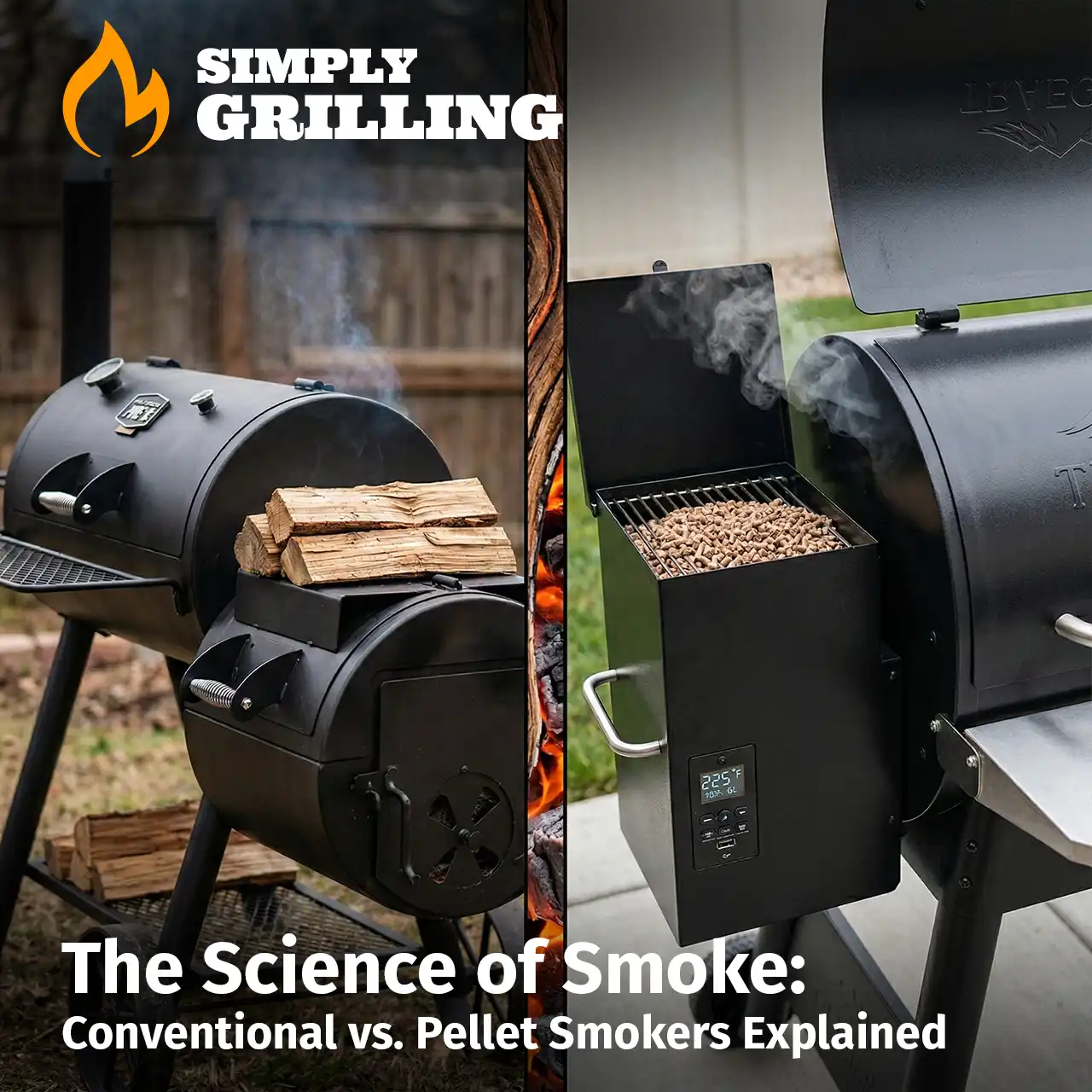
Conventional smokers rely on burning wood, charcoal, or a combination of both. They are the “purist’s choice” for deep, authentic flavor.
- Offset Smokers: Features a separate firebox. Heat and smoke travel from the box through the cooking chamber.
- Vertical Water Smokers: Uses a water pan to regulate temperature and keep the environment humid.
Recommended Product: Oklahoma Joe’s Highland Offset Smoker – A heavy-duty, classic entry into the world of stick-burning.
Key Advantages:
- Authentic Smoke Flavor: Burning whole logs produces a more robust “blue smoke.”
- Hands-On Experience: There is a rewarding craft in managing a live fire.
Pellet Smokers: The Modern Marvel
Pellet smokers have revolutionized backyard BBQ by combining a smoker with an outdoor oven’s convenience. They use compressed hardwood pellets fed by an automated system.
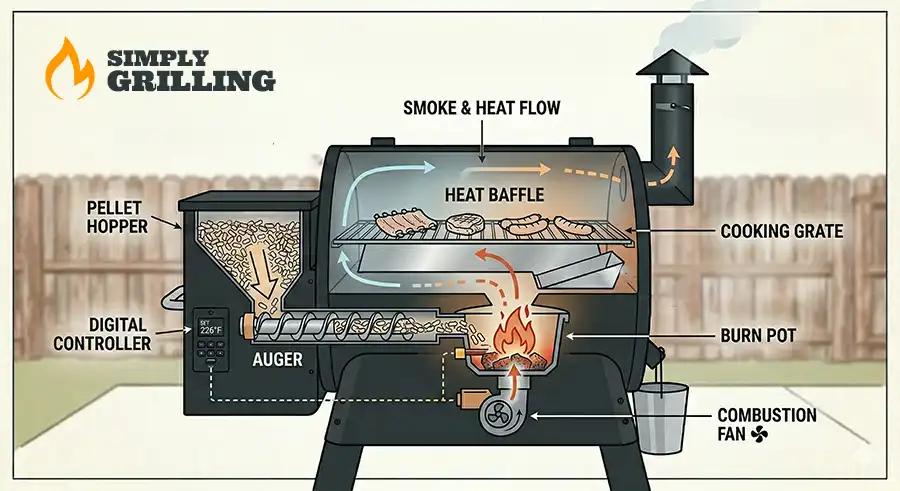
Recommended Product: Traeger Grills Pro Series 780 – The gold standard for “set it and forget it” smoking with WiFIRE technology.
Key Advantages:
- Precise Temperature Control: Most units allow you to set the temp within 5-degree increments.
- Convenience: The electronic controller manages the fire so you can sleep during an overnight brisket smoke.
Comparing the Two
| Feature | Conventional | Pellet |
|---|---|---|
| Ease of Use | Difficult (High Learning Curve) | Easy (Set it and forget it) |
| Flavor Intensity | Very Strong | Mild to Moderate |
| Power Source | Wood/Charcoal | Electricity + Pellets |
Which One is Right for You?
If you crave the ritual of the fire and the deep, heavy smoke of a Texas BBQ joint, an offset smoker is your best friend. However, if you want high-quality BBQ on a weeknight without the stress of monitoring a firebox every 45 minutes, the pellet smoker is the clear winner.
Happy smoking!