Mastering the Flames: A Guide to Steak Cuts
Few things rival the primal satisfaction of a perfectly grilled steak. The sizzle of meat hitting hot grates, the aroma of rendering fat, and the pursuit of that flawless crust are the hallmarks of great outdoor cooking. But achieving steakhouse-quality results at home starts long before you fire up the grill—it begins at the butcher counter. Selecting the right cut is the most critical decision a griller makes.
The Prime Cuts: Steakhouse Classics
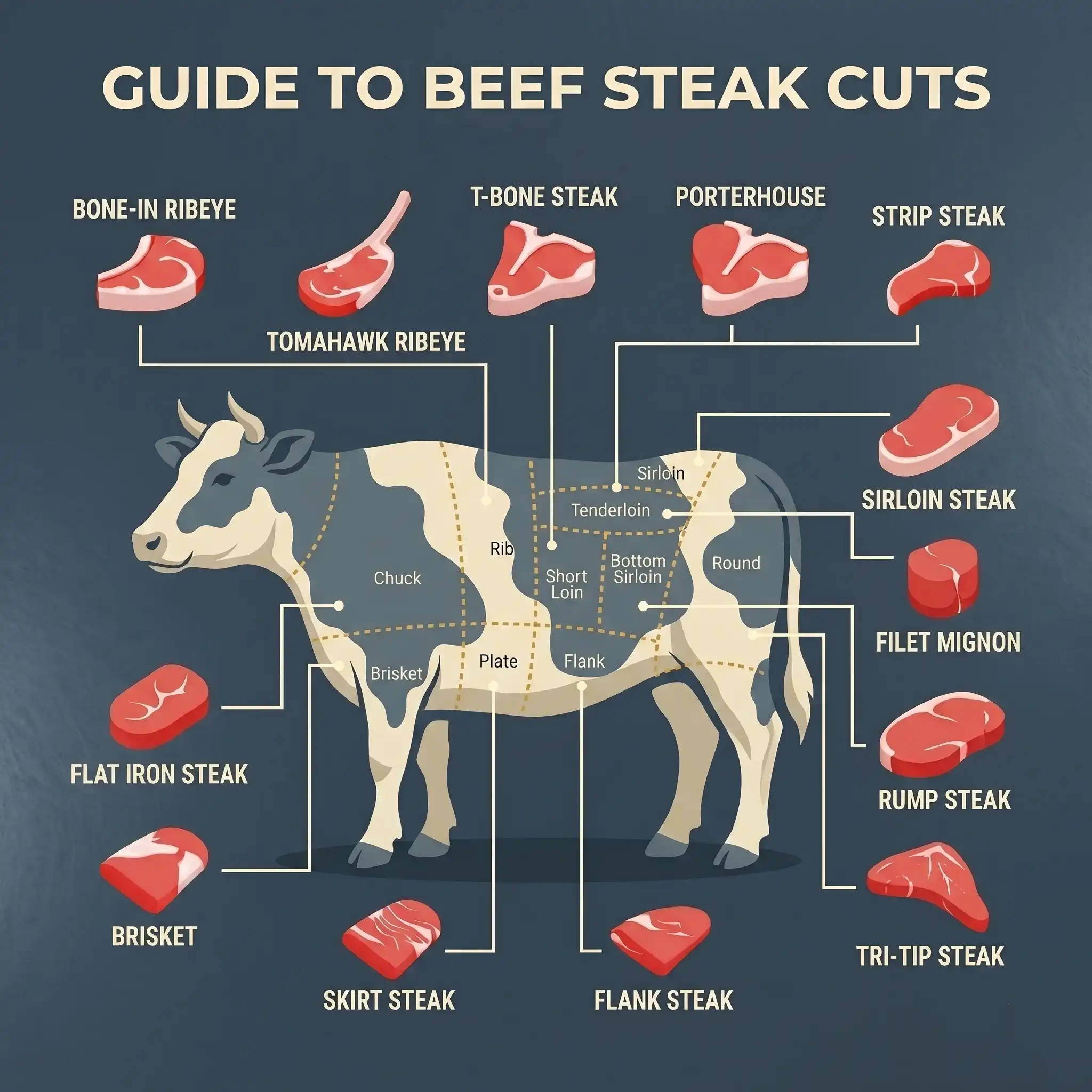
These cuts come from the less-exercised parts of the cow, specifically the rib and short loin. The result is tender, highly marbled meat that thrives under the intense, dry heat of an open flame.
The Ribeye
Known for its rich, buttery flavor and abundant marbling, the ribeye is often considered the undisputed king of steaks. The interior fat melts during grilling, basting the meat from the inside out and creating flare-ups that contribute to a beautifully charred crust. Whether you opt for a bone-in (cowboy) steak or boneless, its high fat content keeps it remarkably juicy.
The New York Strip
Also known as the Kansas City strip, the New York Strip strikes a perfect balance. It features a tight texture, robust beefy flavor, and a thick cap of fat along one edge. It is slightly less marbled than the ribeye but tender enough for a quick, hot sear. Its uniform shape makes it incredibly easy to grill evenly across the grates.
The Tenderloin (Filet Mignon)
The tenderloin is the most tender cut on the cow, boasting a melt-in-your-mouth texture. However, because it is extremely lean, it naturally lacks the robust beef flavor found in fattier cuts. When grilling a filet, precision is key—overcooking will dry it out quickly. It often benefits from a heavy, flavorful rub or a bacon wrap to introduce much-needed fat.
The T-Bone and Porterhouse
For those who cannot decide, these cuts offer the best of both worlds: a New York strip on one side of the bone and a tenderloin filet on the other. The Porterhouse is simply a T-bone with a larger section of the tenderloin. Grilling these requires skill, as the lean filet cooks faster than the strip. Positioning the filet side further away from your primary heat source is a crucial technique.
The Butcher’s Cuts: Big Flavor, Great Value
Historically kept by butchers for themselves, these cuts come from working muscles. They are deeply flavorful but require specific techniques—typically a fast, hot sear and a strict medium-rare finish—to prevent them from becoming tough.
The Skirt Steak
Long, thin, and prized for its intense beefy flavor, the skirt steak is the go-to cut for fajitas. Its loose muscle structure makes it an incredible sponge for marinades. It should be grilled over the highest possible heat for just a couple of minutes per side, then sliced thinly against the grain.
The Flank Steak
Thicker and wider than the skirt, the flank steak is another excellent candidate for marinades. It has a pronounced, directional grain. It cooks quickly and provides a fantastic canvas for bold, spice-heavy rubs and seasonings.
Pro Grilling Tips
- 1. Two-Zone Fire: Always set up a two-zone grill with a direct high-heat side for searing and an indirect cooler side. This allows you to achieve a dark crust without burning the interior of thicker steaks.
- 2. Season Aggressively: Don’t be shy with your rubs. A thick coating of a premium, coarse seasoning blend not only enhances flavor but also helps form a beautiful crust. Let the seasoned steak sit at room temperature for at least 45 minutes before hitting the grates.
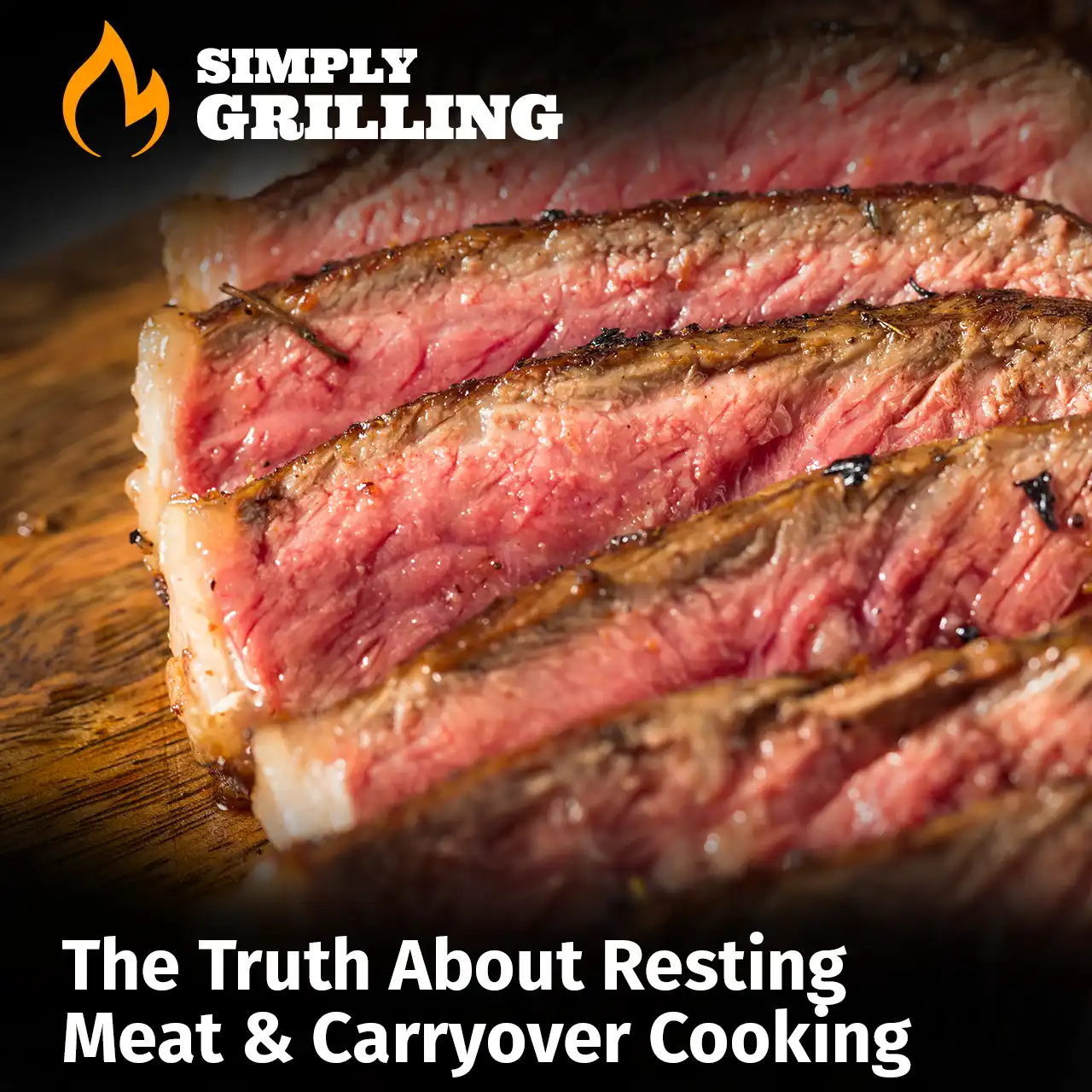
- 3. The Crucial Rest: After pulling the steak off the heat, let it rest for 5 to 10 minutes on a cutting board. This allows the muscle fibers to relax and the juices to redistribute. Cutting in too early will drain the steak of its hard-earned moisture.