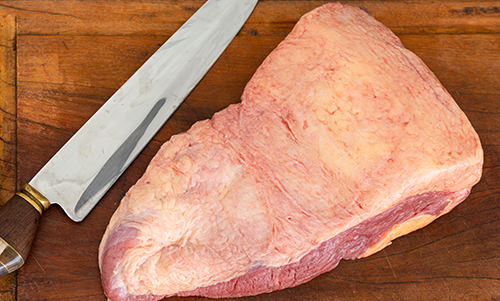
You spent $100 on a prime brisket. You spent two hours trimming and rubbing it. So why are you trusting a $3 piece of stamped metal to tell you how to cook it?
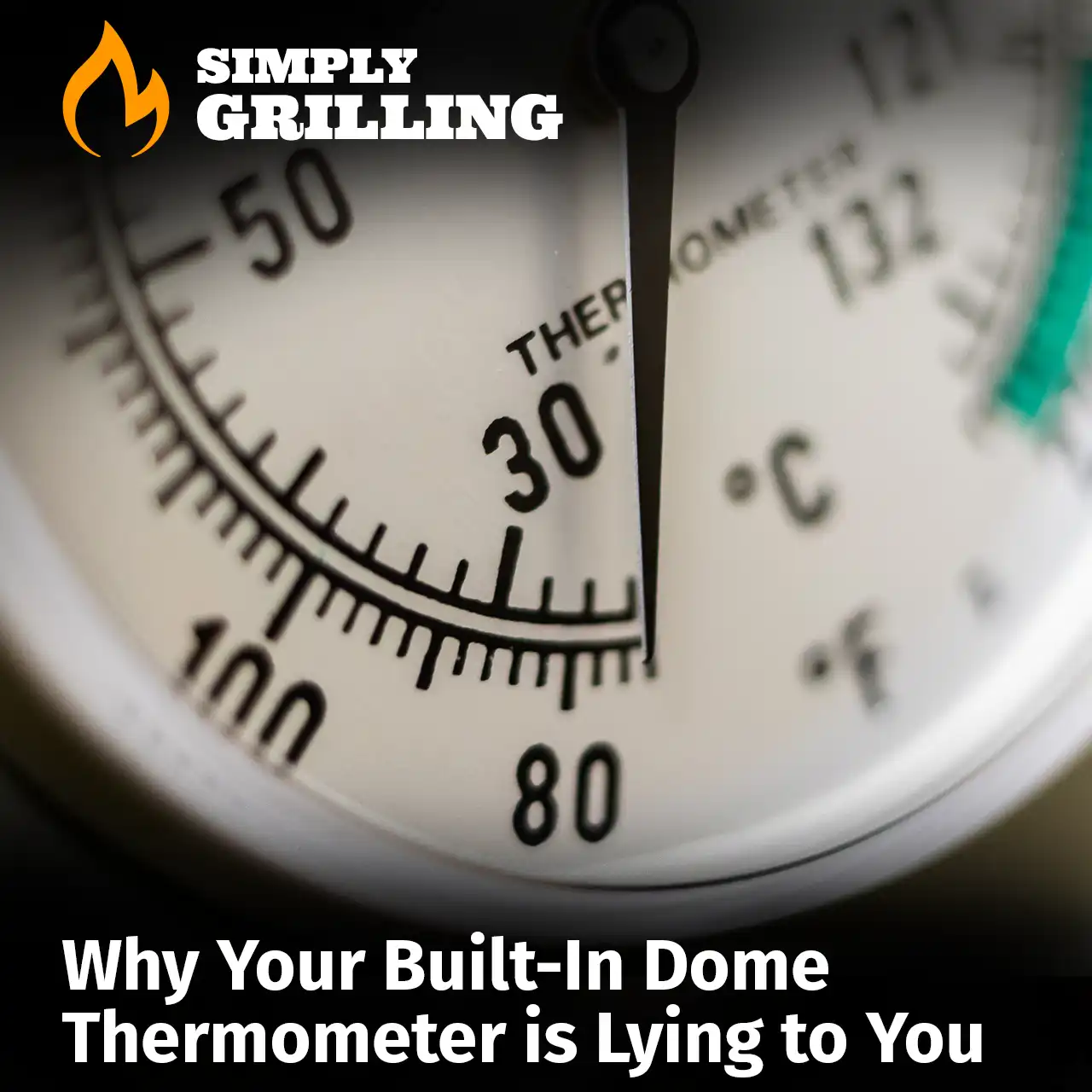
Walk outside and look at your grill or smoker. See that analog dial sitting dead center on the lid? That is the biggest liar in your backyard.
For decades, grill manufacturers have slapped these cheap, bi-metal thermometers onto their lids to make their cookers look professional. And for decades, backyard cooks have stared at those dials, wondering why their “250°F” brisket turned out like dry pot roast, or why their chicken burned to a crisp when the dial clearly said 350°F.
It’s time to have a serious conversation about grill dome thermometer accuracy. If you are relying on that dial to manage your fire, you aren’t cooking. You are guessing. Here is exactly why that built-in thermometer is lying to you, the massive temperature differential happening inside your cooker, and how to permanently fix the problem.
1. The Altitude Problem: You Aren’t Cooking on the Ceiling
The fundamental flaw of the dome thermometer has nothing to do with the dial itself; it has to do with geography.
Heat rises. Inside a closed grill or smoker, the hottest air pools at the very top of the lid before venting out. Where is your dome thermometer mounted? Dead center, at the absolute highest point of the cooking chamber. Where is your meat? Sitting 8 to 12 inches below that, resting on heavy steel grates.
The temperature at the top of the dome and the temperature down on the grate are entirely different environments. Depending on your cooker’s airflow and the size of your fire, the dome thermometer can easily read 50°F to 100°F hotter than the actual air surrounding your meat. If your lid says you are holding a perfect 250°F low-and-slow fire, your meat might be sitting in a 180°F cold zone, completely stalling out your cook.
Conversely, if you are grilling hot and fast over direct charcoal, the radiant heat blasting the grates can be significantly hotter than the ambient air swirling at the top of the dome. Either way, the lid thermometer is feeding you useless data.
2. The Bi-Metal Coil Trap
Even if you somehow mounted that dome thermometer down at grate level, it would still fail you.
The vast majority of built-in grill thermometers use cheap bi-metal coils. Inside that stem are two different types of metal welded together. As they heat up, they expand at different rates, causing the coil to twist and move the needle on the dial. Here is the problem:
- They are slow: A bi-metal coil takes minutes to register a change in temperature. By the time it tells you your fire is spiking, the damage is already done.
- They degrade: Constant exposure to 600°F+ heat, freezing winters, and heavy smoke warps the metals.
- They get insulated: After a dozen cooks, the probe inside the dome gets coated in a thick, insulating layer of black creosote and grease, further slowing down its reaction time and crippling its accuracy.
It is a glorified oven timer, not a precision scientific instrument.
The Only Acceptable Solution: Grate-Level Monitoring
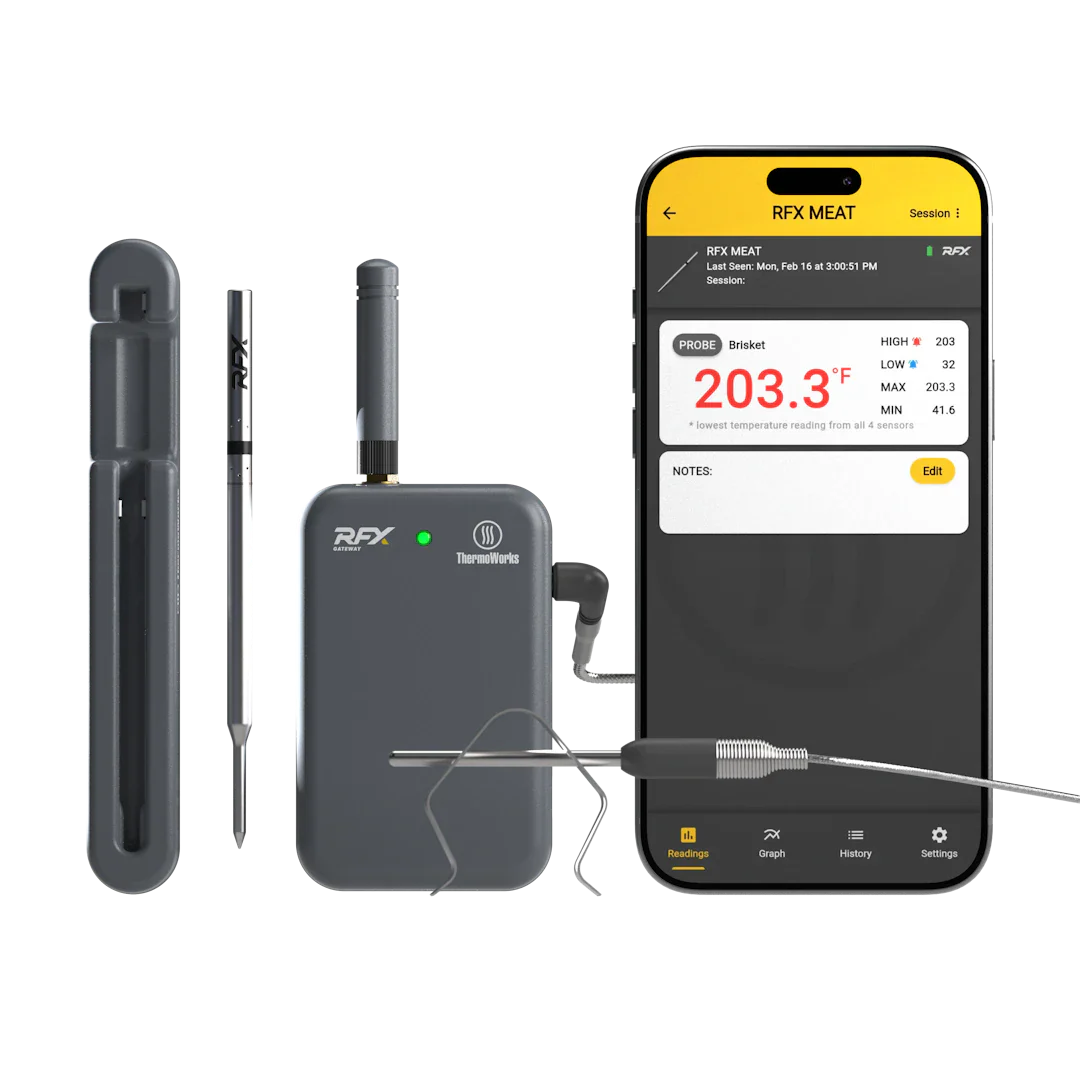
If you want to stop ruining meat, you have to completely ignore the lid. You need to know the temperature of the air exactly one inch away from your food. This requires a dedicated, high-precision ambient probe clipped directly to your grill grate, plugged into a multi-channel digital system.
When it comes to bulletproof, professional-grade temperature management, we do not compromise. The ThermoWorks RFX Wireless Meat Thermometer is the absolute gold standard for this. You run an RFX ambient probe to your grate, right next to your pork butt or brisket. You run a secondary meat probe deep into the protein. Now, on your phone or receiver, you have real-time, instantaneous data.
When a gust of wind hits your smoker and drops the grate temp, the RFX tells you instantly, allowing you to open a vent and recover before your meat even notices.
The Bottom Line
Stop letting a cheap piece of factory hardware dictate the quality of your BBQ. Tape over the dome thermometer if you have to. Invest in a high-quality, multi-channel wireless thermometer, clip an ambient probe to your grate, and take absolute control of your fire.